This is the Small Component Paradox. In industrial manufacturing, components treated with the least strategic oversight during procurement often introduce the highest risk of catastrophic, unscheduled downtime.
When screen choices are driven strictly by upfront price rather than long-term line stability, a cheap screen becomes a multi-thousand-dollar gamble with your line's uptime.
The hidden cost of the "Commodity" mindset
Treating micro-perforated shells (MPS) or nickel compound screens (NCS) as simple commodities introduces severe, hidden operational costs:
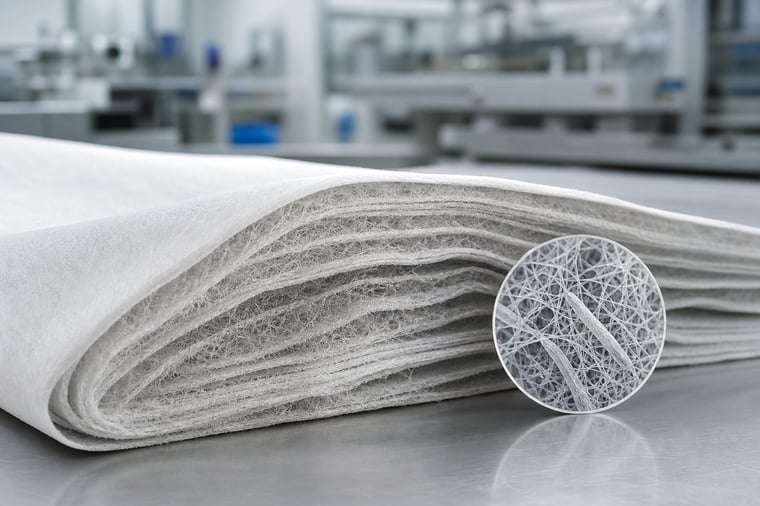
- Accelerated Hardware Wear: Standard shells lack optimized fluid dynamics. To compensate for poor fiber entanglement, operators crank up pump pressure—accelerating wear on both the screen and expensive high-pressure pumps.
- Unpredictable Lifespans: Lower-grade alloys lead to premature screen deformation or fiber snagging.
- The Price of Idle Lines: When a screen fails unexpectedly mid-run, the true cost isn't the replacement shell—it's the lost hours of high-volume output and scrambled maintenance crews.
Reliability is a financial strategy
To break this paradox, engineering and procurement must shift the conversation from “What does this screen cost to buy?” to “What does this screen save us over its lifespan?”
Opting for precision-engineered galvanic screens changes your operational reality:
- Predictable Maintenance: Uniform wall thickness and identical hole geometry mean the component wears predictably, allowing replacements to be scheduled during routine, planned windows.
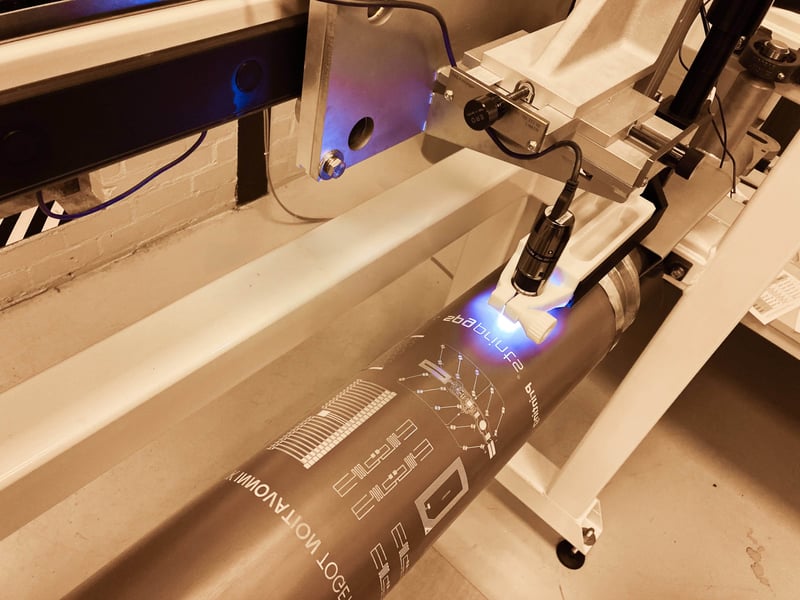
- Reduced Energy Costs: Advanced screen geometry (like SPGPrints’ Jade® technology) utilizes water jet energy more efficiently through multi-directional deflection, achieving target tensile strength at lower pressures.
- Preserved Product Premium: A stable nickel screen eliminates micro-defects and irregular density lines, protecting your brand reputation in premium consumer markets.
Eliminating supply chain friction
Even when a team recognizes precision value, waiting months for an overseas replacement component is a luxury no production manager can afford.
To eliminate this friction, SPGPrints has streamlined the ordering process. Through our fast-tracked ordering system, we provide an industry-leading two-week delivery lead time on standard precision-engineered shells. We combine European engineering excellence with local supply chain speed.
Fast delivery only pays off when the screen is the right one. Our non-woven strategic guide shows how the choice of screen or sleeve, and the way you source it, protects uptime and consistency on your spunlace line. Use it to test your next order against what an hour of idle line really costs you. Download the strategic guide below.

Bottom line
Never allow a minor component purchase to jeopardize a major capital investment. Investing in precision electroformed screens isn't just buying hardware—it’s purchasing line stability and total peace of mind.
Ready to eliminate component risk?
Don't let an unpredictable supply chain dictate your weekly throughput. Contact our application specialists today to learn how our two-week delivery promise can bring total stability back to your production schedule.
Want to talk through your own setup? Speak with a specialist.