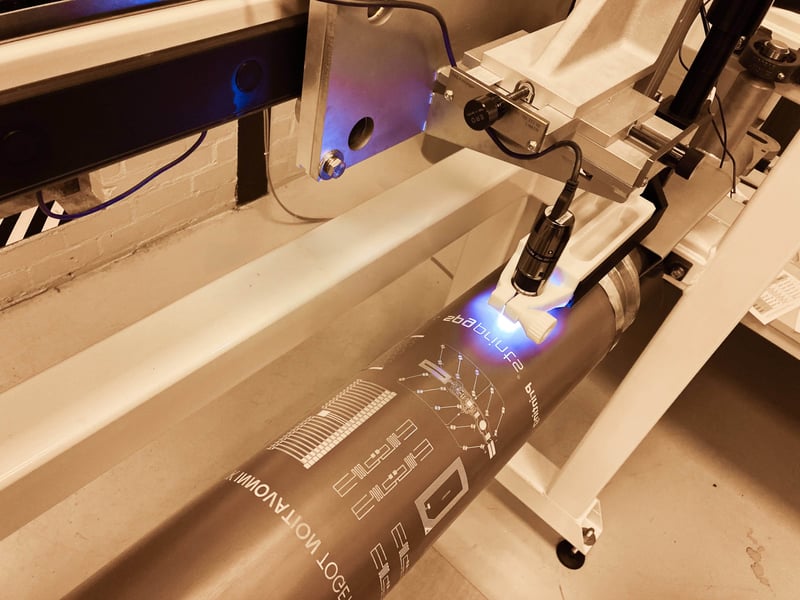
To achieve these metrics, massive engineering resources are poured into carding geometries, high-pressure pump configurations, and advanced filtration loops. Yet, the final point of physical contact—the hydroentanglement screen—is frequently treated as a secondary component left for the end-user to source later.
This approach overlooks a massive competitive advantage. By integrating precision electroformed screens directly into the early design phase, OEMs can fundamentally elevate their machine’s standard operating capabilities.
The Technology Triangle: Unlocking hidden machine performance
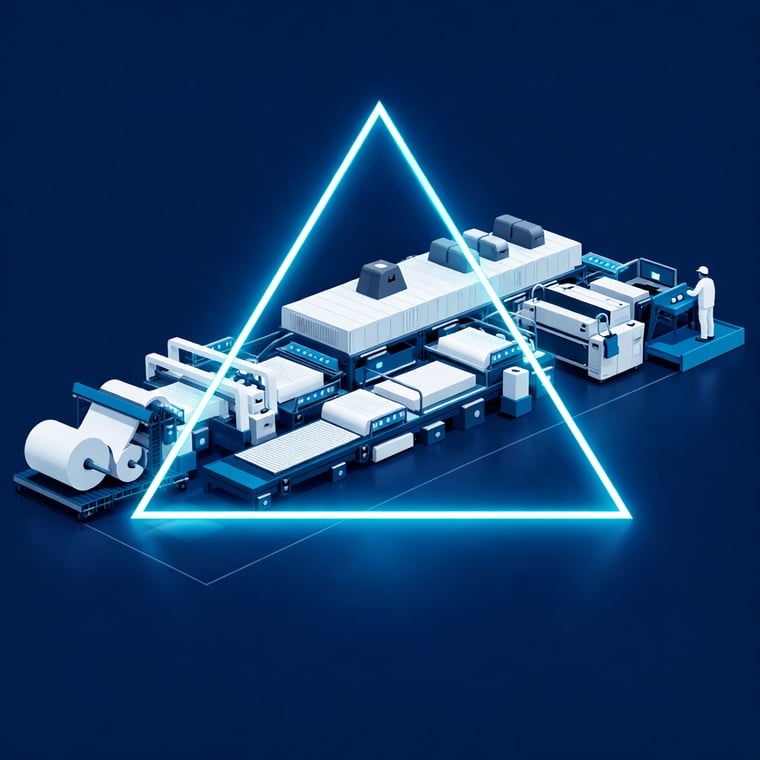
A nonwoven line operates at its highest efficiency when treated as a Technology Triangle—a synchronized ecosystem where the machinery, the chemistry/fibers, and the screen technology work in perfect harmony.
When a line builder relies on standard, commodity-grade spiral or woven forming shells, the machine's performance is artificially capped. Standard screens cause vertical water jet rebound, forcing the line’s high-pressure pumps to work harder and consume more electricity to achieve basic fiber bonding.
Integrating advanced screen engineering (such as SPGPrints’ Jade® profiling) directly into the OEM specification alters the entire system dynamics:
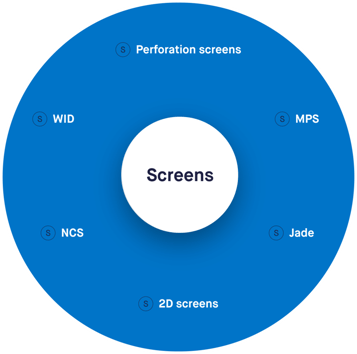
- Upgraded energy metrics: Because Jade technology redirects water jet energy horizontally across the screen, it achieves target web tensile strength at a significantly lower pressure drop (often exceeding 10 bar). For an OEM, this means you can market a line that boasts lower baseline power consumption (OPEX) right out of the gate.
- Enhanced speed capabilities: Precision-engineered galvanic screens feature perfectly uniform hole geometry and seamless mechanical stability. This allows the line to sustain high-volume throughput—up to 270 m/min on sustainable Carded Pulp (CP) lines—without risking web tearing or edge fraying during initial commissioning.
- Inline value multiplication: By provisioning the line's third drum for Nickel Compound Screens (NCS), OEMs allow manufacturers to execute premium 3D embossing entirely inline at full speed, eliminating the need for bulky, secondary offline calenders.
De-risking commissioning and protecting brand reputation
For an OEM, the most volatile phase of a project is site commissioning. Unpredictable fiber behavior, micro-defects in the web, or premature screen deformation during trial runs can delay sign-offs and eat into project margins.
Partnering with a dedicated screen engineering specialist de-risks this entire process. SPGPrints provides OEM partners with specialized technical consulting during the drafting phase, ensuring that the screen’s open area, hole density, and surface profiling are perfectly calibrated to the specific hydraulic outputs of your pump systems.
Commissioning is only the start of the story. Once the line is running, your customer judges it on uptime and web consistency, and both depend on screen and sleeve choices made long before the first trial run. Our non-woven strategic guide shows how those sourcing decisions play out on a spunlace line, so you can specify with confidence and give your customers a clear answer when they ask. Download the strategic guide below.

Bottom line
Don't let standard hardware limit the engineering potential of your machinery. By embedding precision galvanic technology into your initial line designs, you deliver a smarter, faster, and more energy-efficient asset to the global market.
Elevate your next line specification
Want to offer your clients a documented reduction in pump stress and energy consumption? Contact our OEM application team today to integrate SPGPrints precision screen technology into your upcoming equipment designs.